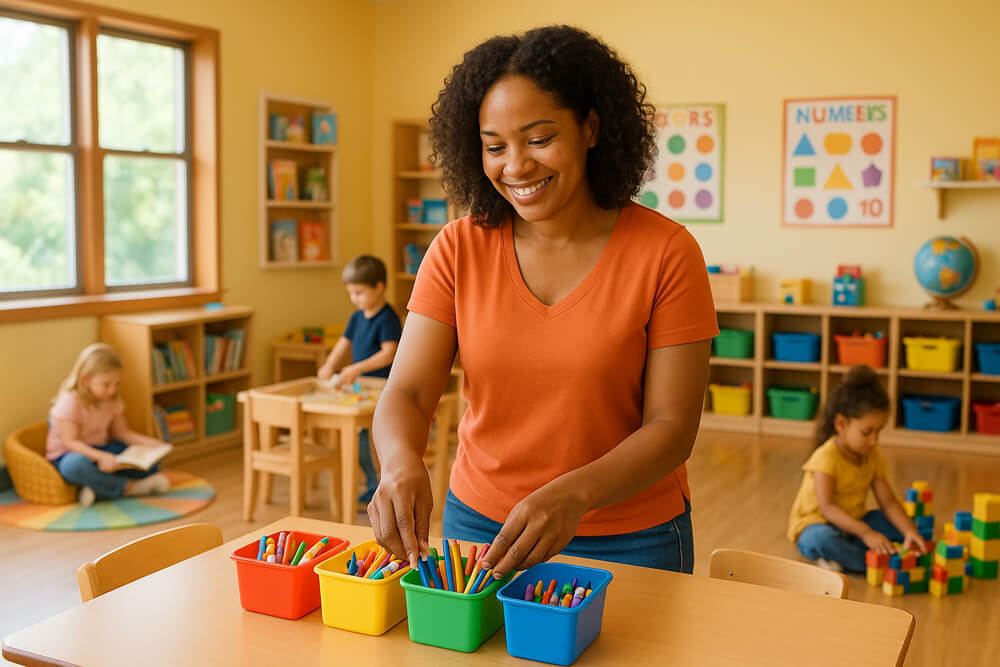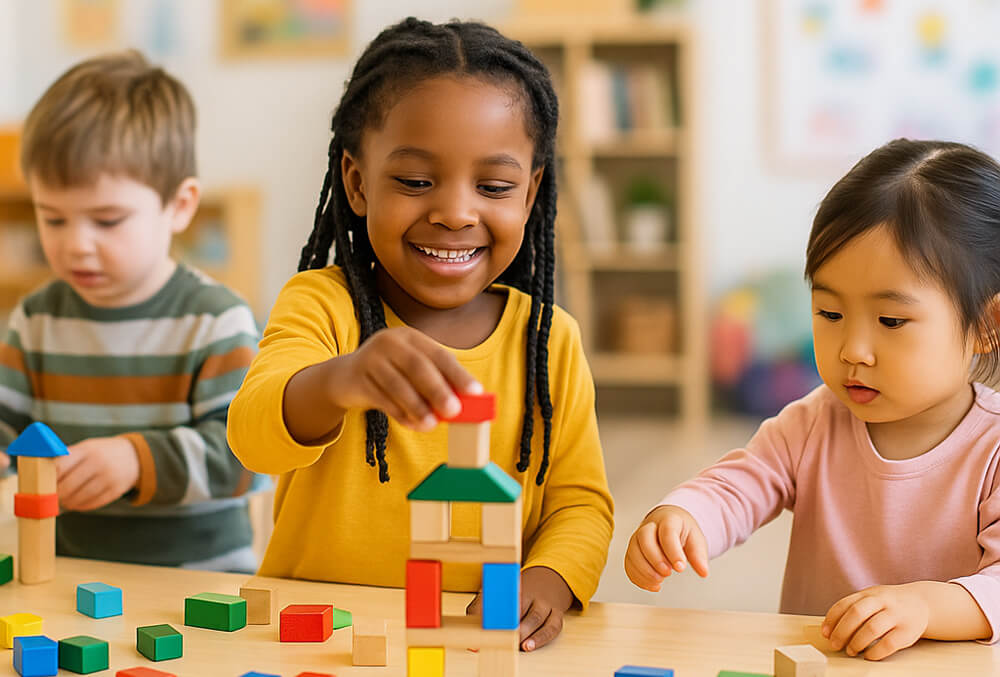
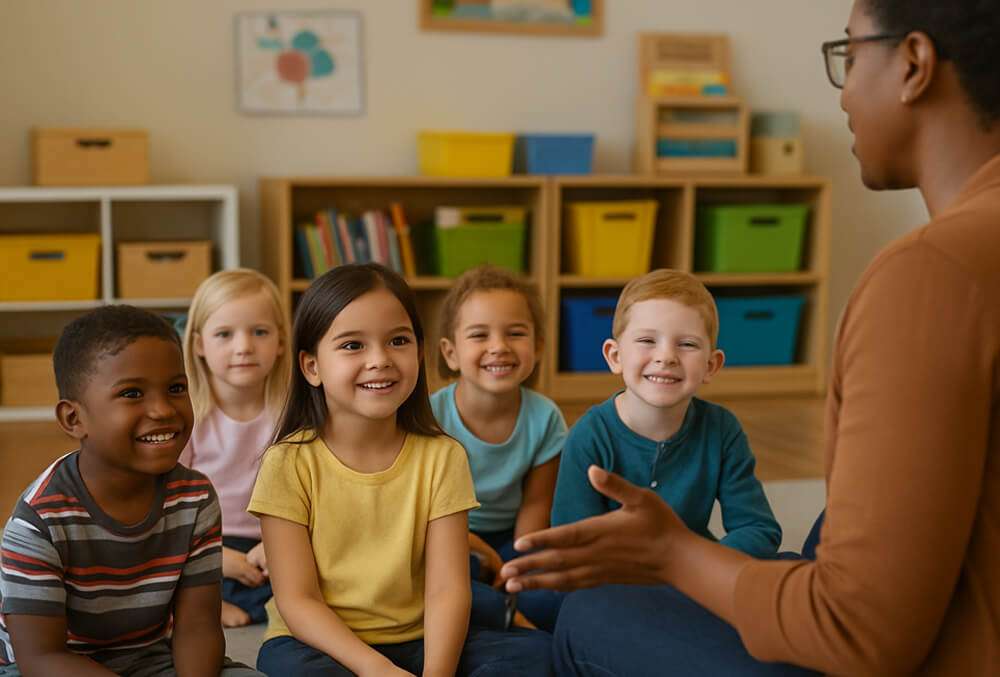
Every child deserves to feel seen, heard, and valued in their learning environment. In early childhood education, inclusion means more than just meeting diverse needs—it’s about creating a space where every child feels like they belong.
At Childcare Genius Nola, we believe inclusive classrooms are the foundation for empathy, understanding, and lifelong success. Here’s how educators and caregivers can foster inclusive spaces that support every learner.
What Is an Inclusive Classroom?
An inclusive classroom embraces and celebrates differences—whether they’re related to ability, culture, language, family structure, or learning style. It’s a place where:
- All children are welcomed and supported
- Materials reflect a variety of backgrounds and identities
- Activities are accessible and engaging for everyone
- Educators intentionally create a sense of belonging
Why Inclusion Matters in Early Childhood?
Early experiences shape how children see themselves and others. An inclusive environment:
- Promotes positive self-identity
- Builds respect and empathy
- Supports social-emotional growth
- Helps all children reach their full potential
Children who grow up in inclusive settings are more likely to become accepting, compassionate adults who value diversity.